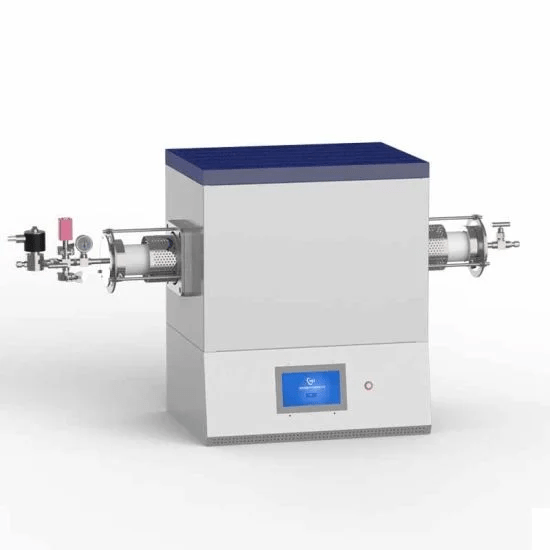
A CVD system, also known as Chemical Vapor Deposition system, is a specialized equipment used for the deposition of thin films onto substrates through chemical reactions in the vapor phase. CVD is a widely used technique in various industries, including semiconductor manufacturing, thin film coatings, and materials research. Here are some common components and features of a CVD system:
- Reaction Chamber: The reaction chamber is a sealed enclosure where the deposition process takes place. It is typically made of a material that can withstand high temperatures and corrosive gases, such as quartz, stainless steel, or other suitable materials.
- Substrate Holder: The substrate holder, often called a wafer holder or sample stage, is a component that holds the substrates on which the thin films will be deposited. It may provide heating capabilities to control the substrate temperature during deposition.
- Gas Delivery System: The gas delivery system is responsible for delivering the precursor gases and other reactant gases into the reaction chamber. It typically consists of gas sources, mass flow controllers, valves, and tubing to precisely control the flow rates and mixtures of the gases.
- Precursor Delivery: CVD systems may include mechanisms for delivering the precursor materials into the reaction chamber. This can be done through liquid precursor bubblers, solid precursor evaporators, or gas-phase precursor sources, depending on the specific deposition process.
- Temperature Control: CVD systems require precise temperature control to achieve the desired deposition conditions. Heating elements, such as resistive heaters or induction heaters, are commonly used to heat the reaction chamber and the substrate holder to the required temperatures.
- Vacuum System: CVD processes often require a controlled environment with low pressure or vacuum conditions. A vacuum system, including vacuum pumps and pressure control devices, is used to evacuate the reaction chamber and maintain the desired pressure during the deposition process.
- Exhaust System: An exhaust system is employed to remove by-products and unreacted gases from the reaction chamber. It typically includes exhaust pumps and exhaust lines to safely remove and treat the waste gases.
- Temperature and Pressure Monitoring: CVD systems are equipped with sensors and monitoring devices to measure and control the temperature and pressure inside the reaction chamber. These measurements help ensure process repeatability and optimize deposition conditions.
- Control System: CVD systems are operated through a control system that allows for precise control of process parameters, such as temperature, gas flow rates, pressure, and deposition time. The control system may include a user interface for programming deposition recipes and monitoring process parameters.
- Safety Features: CVD systems often incorporate safety features, such as interlocks, alarms, and emergency shut-off mechanisms, to ensure safe operation and mitigate potential hazards associated with the process.
CVD systems can have variations in design and features depending on the specific deposition technique, such as plasma-enhanced CVD (PECVD), low-pressure CVD (LPCVD), or atmospheric pressure CVD (APCVD). It is essential to consider the specific requirements of your deposition process and consult with the manufacturer to select a CVD system suitable for your application.
 sknmtllp.com