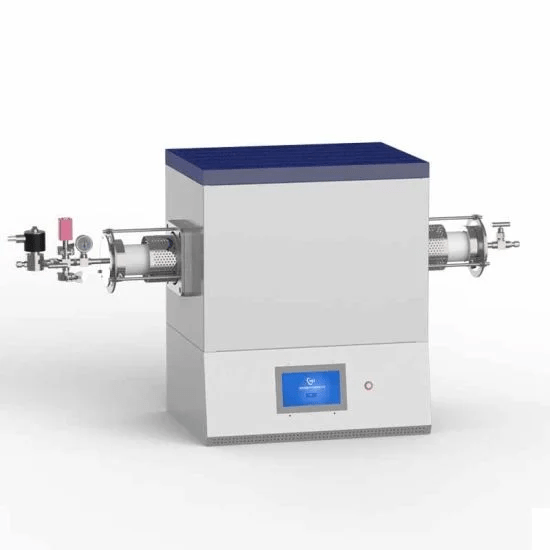
Tubular Furnace
Here are some key features and specifications of Split Tubular Furnace
- Model: SKNMT-STF-1200P/1400P/1700P
- Maximum Temperature:1200/1400/1700°C
- Working Temperature:1150/1350/1600°C
- Heating Elements: Kanthal wire/Silicon carbide/Molybdenum Disilicide Heating Elements
- Power Supply: 220 Volts 1 phases AC Supply & 415 Volts, 3 Phases AC Supply
To get the quotation for tubular furnace and detail information, you can reach us via email at sales@sknovelmaterials.com / sknmtllp@gmail.com or call us at +91-9015852036/8218875837/8800212702, our sales department will reply to you as soon as possible.
Note: All images shown are for illustration purposes only. Actual product may vary
Categories: Research Equipment, Tubular Furnace
Description
A single-zone tubular furnace is a type of heating device used for various heating and heat treatment applications in laboratories and industrial settings. It consists of a cylindrical heating chamber (tubular furnace) with a single heating zone. Here are some common specifications and features of a single-zone tubular furnace:
- Temperature Range: Single-zone tubular furnaces typically offer a temperature range that can vary from ambient temperature up to high temperatures, such as 1200°C, 1400°C, or even higher. The specific temperature range will depend on the model and intended application.
- Heating Element: Tubular furnaces commonly use heating elements made of materials such as Kanthal, molybdenum disilicide (MoSi2), or silicon carbide (SiC) to generate heat within the chamber. The choice of heating element depends on the desired maximum temperature and heating speed.
- Heating Zone: Single-zone tubular furnaces have a single heating zone along the length of the heating chamber. The heating element is wound or placed within this zone to provide uniform heat distribution along the entire length of the chamber.
- Temperature Control: Tubular furnaces feature a temperature control system to accurately set and maintain the desired temperature. This can be achieved through analog or digital temperature controllers with adjustable setpoints and often with temperature display.
- Heating Rate: The heating rate indicates how quickly the furnace can reach the desired temperature. Single-zone tubular furnaces can have different heating rates, such as a few degrees per minute or even faster, depending on the power of the heating elements and the insulation of the furnace.
- Chamber Size: Single-zone tubular furnaces come in different chamber sizes, typically specified in terms of the inner diameter and length of the heating chamber. The chamber size determines the maximum sample size or quantity that can be accommodated within the furnace.
- Insulation: Effective insulation is crucial for reducing heat loss and ensuring energy efficiency. Tubular furnaces commonly have insulation made of materials such as ceramic fiber, refractory bricks, or insulation boards to minimize heat loss and maintain temperature stability.
- Gas Flow Control (Optional): Some single-zone tubular furnaces may include gas flow control capabilities, allowing for controlled atmosphere or reactive gas environments within the chamber. This can be achieved through the integration of gas flow controllers and gas inlet/outlet ports.
- Safety Features: Tubular furnaces often include safety features such as over-temperature protection, door interlocks, and alarms to ensure safe operation. Some models may also have an automatic shutdown feature in case of temperature deviations or other malfunctions.
- Power Requirements: Single-zone tubular furnaces require electrical power to operate. The power requirements, stated in watts or kilowatts, can vary depending on the size and heating capacity of the furnace. It is important to ensure that the power supply matches the specifications of the furnace.
These specifications provide a general overview of single-zone tubular furnaces. It is important to review the specific specifications and features provided by the manufacturer to select a furnace that meets your specific requirements and applications.
 sknmtllp.com